
You’ve hired a painting contractor and handed over a deposit. Now the work is underway—but something doesn’t feel right.
Maybe they’re rushing through prep work, or the paint job doesn’t look as smooth as you expected. Are they cutting corners, or are you being too picky?
Unfortunately, not all painting contractors operate with the same standards of quality and professionalism. Some cut corners to maximize profit, finish quickly, or compensate for underbidding.
You deserve to know what separates quality work from shortcuts that will cost you more in the long run.
Here are five critical red flags that indicate your painter is cutting corners—and what you should do about them.
1. Skipping or Rushing Surface Preparation
Surface preparation accounts for 80% of a quality paint job’s success. When painters skip or rush this crucial step, everything that follows is built on a weak foundation.
What Proper Prep Work Looks Like
Professional surface preparation includes cleaning walls to remove dirt, grease, and grime, patching all holes and cracks with proper filler, sanding rough spots and repaired areas smooth, caulking gaps around trim and windows, and priming stained areas and bare surfaces.
This work is time-consuming and requires attention to detail. It’s also where corner-cutting painters save the most time—at your expense.
Red Flags to Watch For
Minimal or no cleaning: If painters arrive and start painting immediately without cleaning surfaces, they’re skipping essential prep. Paint won’t adhere properly to dirty, greasy walls.
Holes and cracks left unfilled: Small nail holes might seem insignificant, but they show through paint and create an unprofessional finish. Quality painters fill every hole, crack, and imperfection.
No sanding: Glossy surfaces need scuffing to create tooth for new paint. Repaired areas need smoothing. If you don’t hear sanding happening, proper prep isn’t occurring.
Skipping primer: Proper preparation and quality paint materials are essential for a durable and attractive finish. Primer is essential for covering dark colors, sealing stains, and ensuring paint adhesion. Painters who skip primer are cutting corners.
Rushing the timeline: If your painter quoted 3-4 days but claims they’ll finish in 1-2 days, they’re likely skipping prep work to speed up the project.
Why This Matters
Paint applied over poorly prepped surfaces peels, cracks, and fails prematurely. You’ll see bubbling, adhesion problems, and visible imperfections that ruin the appearance. Within months instead of years, you’re facing another paint job—this time including the cost of fixing damage caused by improper preparation.
2. Using Cheap or Watered-Down Paint
Paint quality makes an enormous difference in appearance, durability, and longevity. Some contractors cut costs by using cheap paint or stretching premium paint with water.
How to Spot This Red Flag
Check paint cans on arrival: Make sure they look new and don’t have paint on the rim. If it’s a 5-gallon bucket, check to see whether the lid is still sealed with the plastic strip.
Verify brand and product: Your contract should specify exact paint brand, product line, and finish. Benjamin Moore Aura is different from Benjamin Moore’s economy line. Sherwin-Williams Duration costs more than their basic products for good reason.
Watch for thin coverage: Quality paint covers in two coats. If painters apply three, four, or more coats, they might be using watered-down paint that doesn’t cover properly.
Look for transparency: When a contractor does not look at the scope of work thoroughly, they may underbid the customer and cut out prep work or water down paint to make it spread more to reach the cost that they gave you originally.
Why Premium Paint Matters
Cheap paint contains less pigment, fewer binders, and lower-quality ingredients. It doesn’t cover as well, fades faster, and wears more quickly. Within 2-3 years, you’ll see significant deterioration that would take 7-10 years with premium paint.
The price difference between economy and premium paint is minimal compared to your total project cost. But the quality difference is dramatic.
3. Working Too Quickly Without Allowing Proper Drying Time
Quality painting requires patience. Paint needs adequate drying time between coats, proper curing time after completion, and careful application that can’t be rushed.
Red Flags for Rushed Work
Applying second coat too soon: Latex paint needs 2-4 hours between coats depending on humidity and temperature. Oil-based paint needs 6-8 hours. Painters who rush this step trap moisture, create adhesion problems, and produce uneven finishes.
Finishing unrealistically fast: Working quickly sounds great because your project will be done sooner. However, this can mean that they are rushed and want to get through the job as fast as possible so they can move on to the next.
Visible application marks: When paint dries too quickly or isn’t applied carefully, you see brush marks, roller lines, and lap marks where wet paint meets partially dried sections.
Sloppy edges: Clean, crisp lines between wall colors and trim require careful cutting-in technique. Rushed painters leave wavy lines, visible gaps, or paint bleeding onto adjacent surfaces.
The Cost of Speed
Rushed painting creates visible quality problems immediately—uneven coverage, texture variations, and poor adhesion. More concerning, paint that hasn’t cured properly fails prematurely, requiring expensive remediation and repainting far sooner than quality work would.
4. Poor Protection and Messy Work
Professional painters protect your home, furniture, and belongings while maintaining clean, organized work areas. Corner-cutting contractors skip these steps, leaving you with damaged property and extensive cleanup.
What Professional Protection Includes
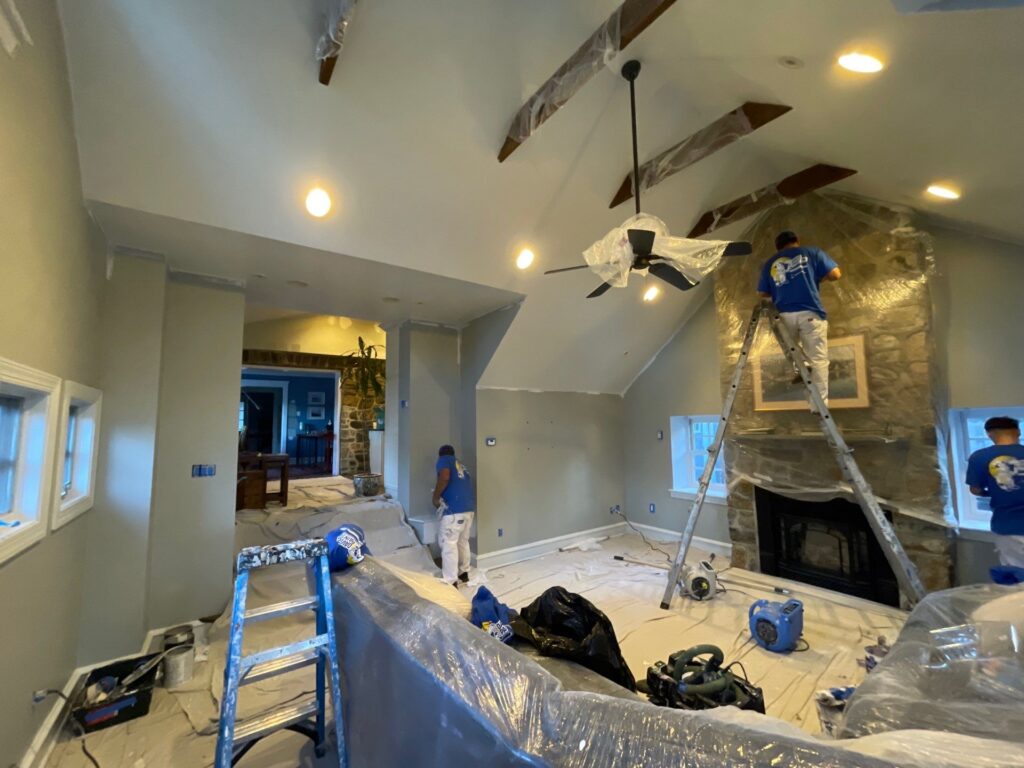
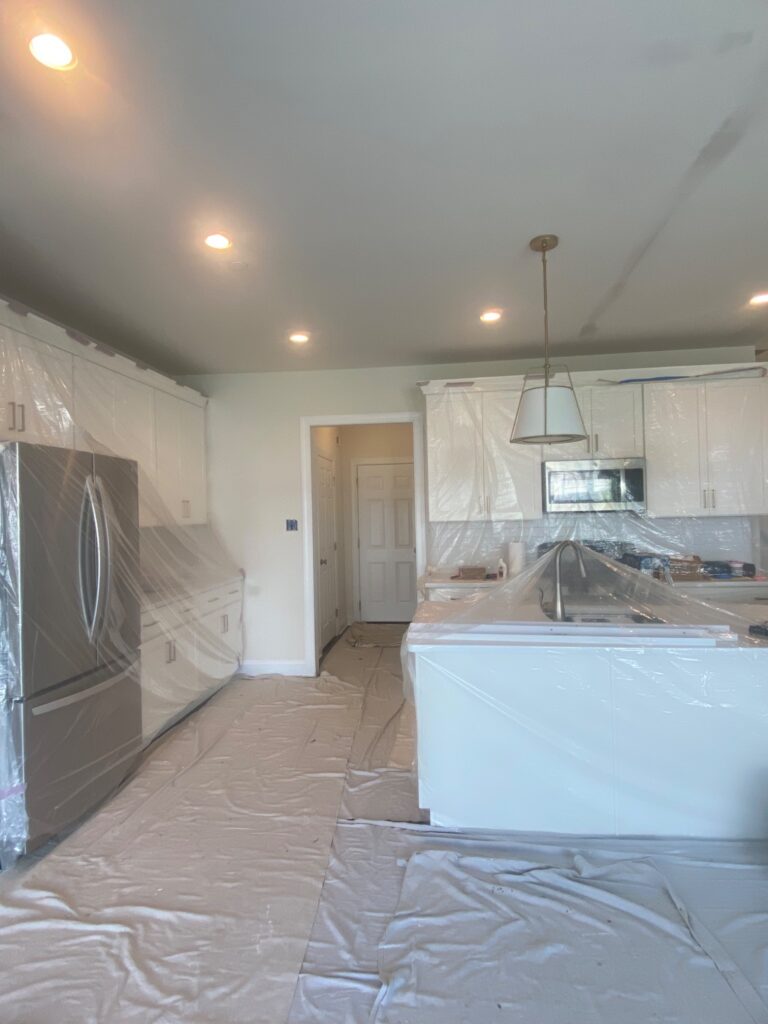
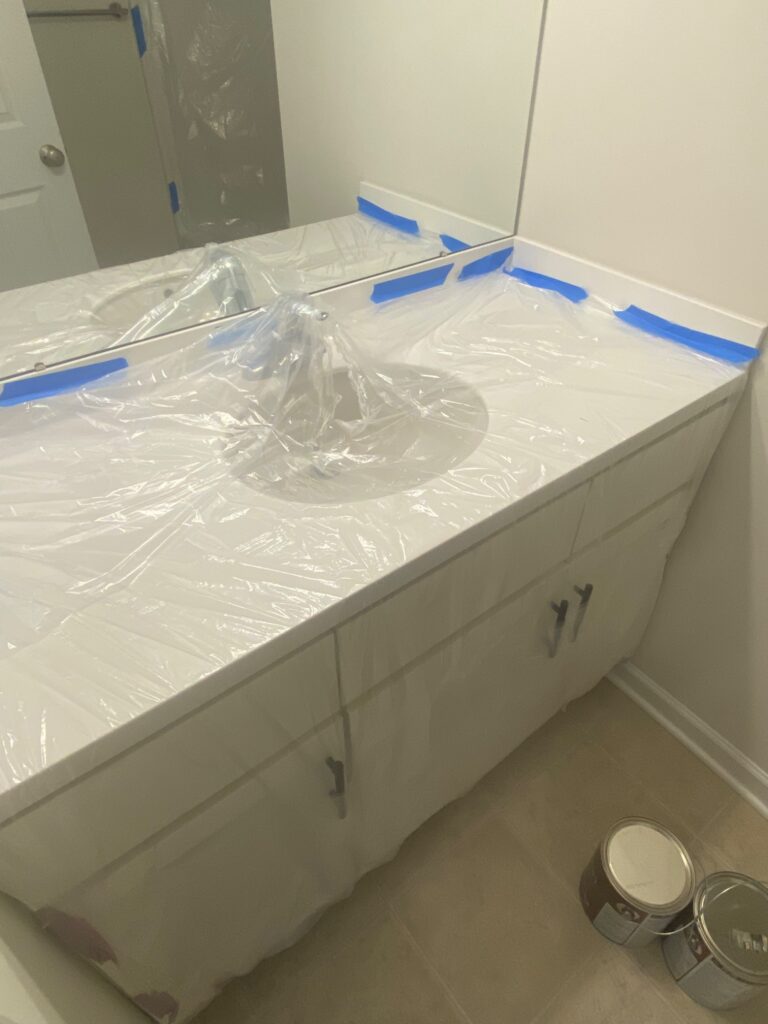
Quality painters use drop cloths on all floors and furniture, painter’s tape on trim, baseboards, and fixtures, plastic sheeting over cabinets and countertops, removal of outlet covers and switch plates, and protection for light fixtures and hardware.
They also clean up daily—removing debris, organizing tools, and leaving your home livable even while work continues.
Red Flags for Poor Protection
Little or no floor covering: Failing to use drop cloths, masking tape, or protective coverings on furniture and floors can lead to unnecessary mess and damage.
Paint splatters everywhere: Drips and splatters on floors, furniture, or adjacent surfaces suggest careless workmanship and lack of attention to detail.
Messy work areas: Tools and materials scattered around, empty paint cans left behind, and general disorganization signal unprofessional contractors.
No daily cleanup: Professional painters clean as they go and perform thorough end-of-day cleanup. Contractors who leave your home chaotic every evening don’t respect your space or your investment.
Why This Matters
Paint damage to hardwood floors, furniture, or fixtures is expensive to repair—often costing more than the painting project itself. Beyond financial concerns, messy contractors disrupt your daily life unnecessarily and signal overall lack of professionalism.
5. Refusing to Provide Detailed Contracts or Warranties
Professional painting contractors provide detailed written contracts and stand behind their work with warranties. Contractors who avoid documentation are protecting themselves—not you.
What Quality Contracts Include
A comprehensive painting contract specifies exact work scope, specific paint brands, products, and finishes to be used, detailed surface preparation procedures, number of coats to be applied, project timeline with start and completion dates, total cost breakdown, payment schedule, and warranty terms.
Red Flags in Contracting
Verbal agreements only: A written contract protects both parties. If the painter refuses to work with a written painting contract, this is a red flag.
Vague language: Contracts that say “paint house” without specifying rooms, surfaces, products, or procedures leave too much room for corner-cutting and disputes.
No warranty: Quality painters warranty their work for at least one year, often longer. Contractors who won’t provide warranties don’t stand behind their work.
Unclear expectations: A good contract is essential for a successful project, outlining every detail of the remodeling plan. If your contract doesn’t clearly state what’s included, you’re vulnerable to disputes and additional charges.
Why Davis Painting Never Cuts Corners
At Davis Painting, we built our reputation on quality work that lasts. We’ve served Pennsylvania and New Jersey homeowners for years because we consistently deliver results worth the investment.
Our commitment includes thorough surface preparation on every project, premium paint products from trusted manufacturers, proper application techniques with adequate drying time, comprehensive protection of your home and belongings, detailed written contracts with clear warranties, and transparent communication throughout your project.
We’d rather turn down work than compromise quality. Your home deserves better than shortcuts, and our reputation depends on delivering excellence every time.
Ready for Quality Painting You Can Trust?
Understanding these red flags helps you recognize corner-cutting contractors and demand the quality work you’re paying for. Your painting investment should deliver beautiful, lasting results—not frustration and premature failure.
If you’re in southeastern Pennsylvania, New Jersey, or the Jersey Shore area and want painting done right the first time, contact Davis Painting today. We’ll provide a detailed estimate, explain exactly what’s included, and deliver the quality workmanship your home deserves.
Call us for a free consultation. We’ll discuss your project, answer all your questions, and show you what professional painting should look like. No shortcuts. No corners cut. Just quality work that lasts.