Table of Contents
Davis Painting is a trusted residential painting contractor serving Pennsylvania homeowners across the state, offering interior residential painting, exterior residential painting, and specialty finishes backed by thorough preparation and a workmanship guarantee. The most common residential painting mistakes PA homeowners make in summer come down to three things: painting in the wrong temperature window, skipping preparation steps to hit a deadline, and choosing a contractor based on price alone without checking what the scope of work actually includes.
Summer feels like the obvious time to paint in Pennsylvania. The days are long, the motivation is there, and a fresh coat of paint on the exterior has been on the list since March. What most homeowners do not realize until after the job is done is that summer in this state creates a specific set of risks that do not exist in October or April. The contractors who cut corners know this. They also know that the problems they create are not visible until the following spring, when the homeowner is the one left dealing with them.
This article is for the homeowner who wants to get ahead of that situation. Whether you are planning an exterior repaint this July, considering residential painting services in Pennsylvania for the first time, or trying to understand why a paint job from two summers ago is already failing, the information here applies.
Why does summer create specific risks for residential painting in Pennsylvania?
Pennsylvania summers combine high humidity, intense afternoon heat, and rapid temperature swings that create specific risks for residential painting: paint that dries too fast on the surface while remaining wet underneath, adhesion failure on improperly prepared surfaces that heat expands and then contracts overnight, and finish inconsistencies that only become visible once temperatures drop in autumn. Understanding these conditions is the first step to avoiding the residential painting mistakes that PA homeowners most commonly make in summer.
Most of Pennsylvania sits in a climate zone that gets humid continental weather through the summer months. Relative humidity regularly exceeds 85 percent in July and August mornings, particularly in the eastern and central parts of the state. At that humidity level, latex paint takes significantly longer to cure than the label suggests. A first coat that a contractor declares ready for overcoating at noon on a humid Wednesday may not be fully cured. When the second coat goes on too early, moisture gets trapped between layers, and the result is bubbling, peeling, or a finish that holds for one season and fails in the second.
The heat ceiling matters too. Most quality exterior latex products have an upper application limit of around 90 degrees Fahrenheit for the actual surface temperature, not the air temperature. On a south or west-facing wall in Pennsylvania in July, surface temperatures routinely hit 100 to 110 degrees by mid-afternoon. Paint applied at those temperatures skins over before it can level properly, leaving a texture in the finish that no second coat will correct. The paint looks fine when the roller is wet. It looks like the wall has been stippled once the finish dries.
Does it matter whether the painting is interior or exterior when it comes to summer risks in Pennsylvania?
Yes, but in different ways. Exterior residential painting faces the full range of summer risks covered above: heat, humidity, UV exposure, and thermal expansion in the surfaces. Interior painting has its own summer-specific problem: homes without central air conditioning can get very warm in July and August, and a hot, dry interior creates exactly the opposite condition from exterior humidity. Paint levels and cures differently in a hot, low-humidity room than it does in a climate-controlled space, and the resulting finish can show lap marks and sheen variation that would not appear in spring or fall. Proper surface preparation before any residential paint job reduces the impact of both conditions significantly.
What are the most common residential painting mistakes PA homeowners make in summer?
The most common residential painting mistakes PA homeowners make in summer are: painting during peak afternoon heat, skipping surface preparation to hit a timeline, applying a second coat before the first has properly cured in humidity, choosing the wrong paint sheen for the surface and conditions, hiring a contractor based on the lowest quote without checking what the preparation scope includes, and painting over existing paint that is already failing. Each of these mistakes is preventable, and each one costs significantly more to fix than it would have cost to avoid.
1. Painting during peak afternoon heat on south and west-facing surfaces
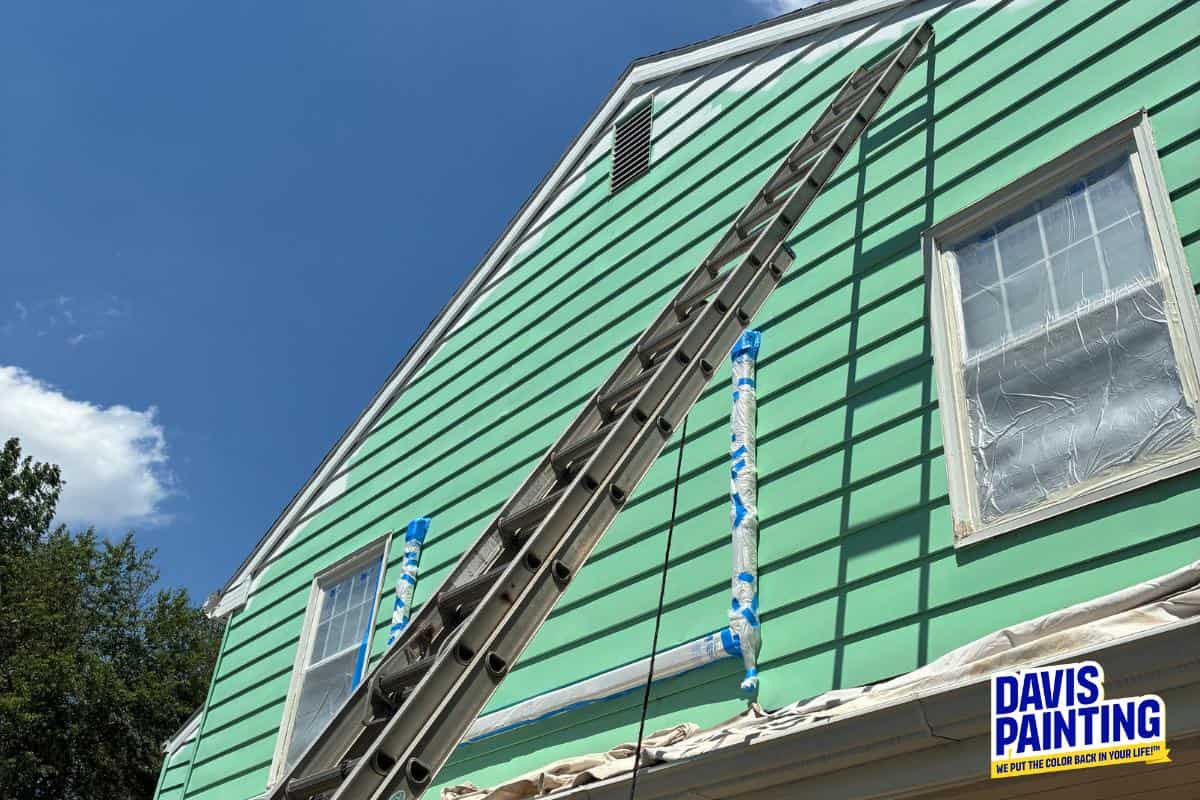
On a Pennsylvania summer day, the window for exterior painting on sun-facing walls is roughly from 7am to 11am. After that, surface temperatures on those faces exceed the safe application range for most latex products. A homeowner who starts painting at noon on a Saturday because the morning was busy, or a contractor who runs multiple jobs and arrives late, will apply paint to surfaces that are too hot to level properly. The resulting texture is baked in. No amount of additional coats corrects it without stripping and starting over.
2. Skipping the pressure wash because the surface looks clean
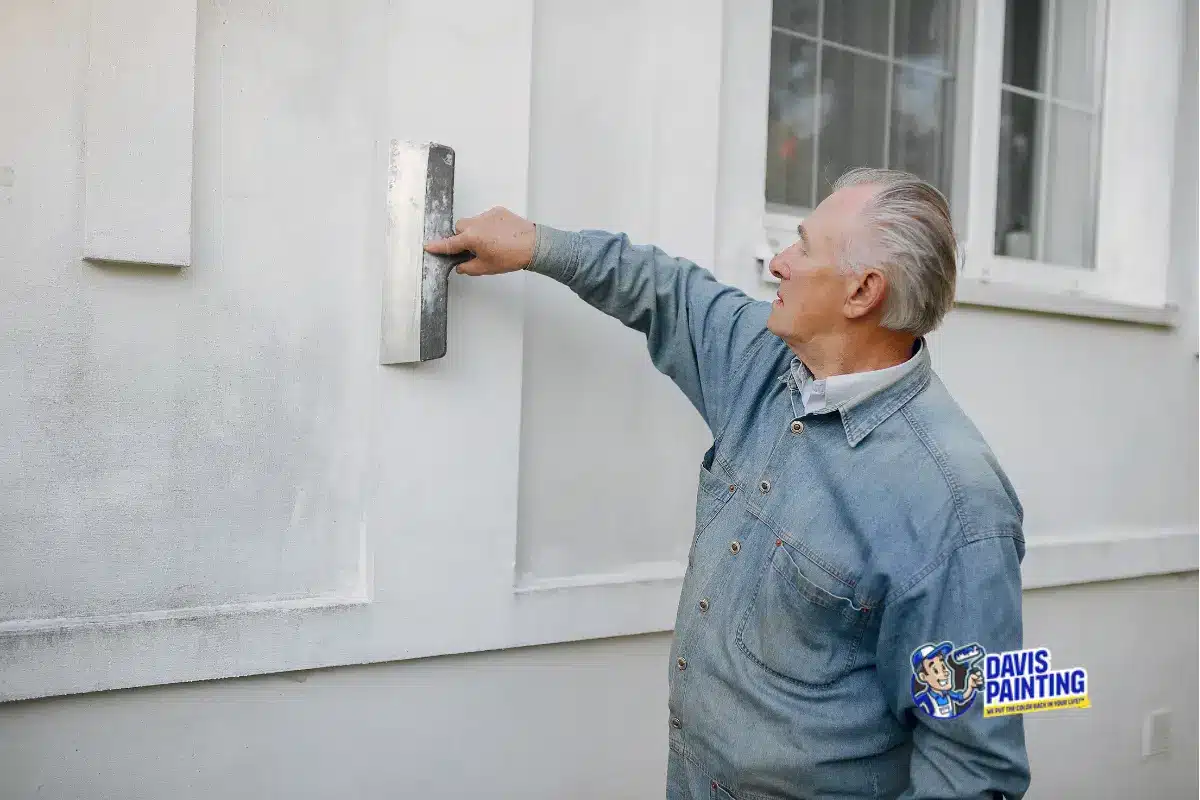
Chalk, airborne oils, and surface oxidation are invisible to the naked eye but prevent adhesion between old surfaces and new paint. A surface that looks clean from six feet away may have a layer of chalk from UV-degraded old paint that will cause the new coat to simply pull away from it over time. This is the single most common source of early paint failure on Pennsylvania residential exteriors, and it is almost entirely preventable. Proper surface preparation before any exterior residential paint job is not optional.
3. Applying a second coat before the first has fully cured
High summer humidity in Pennsylvania significantly extends the cure time for latex paints beyond what the label states under standard conditions. A first coat that feels completely dry to the touch on a humid July morning may still be releasing moisture internally. Overcoating it traps that moisture between layers. The result shows up as bubbling or adhesion failure within months, typically on the surfaces that receive the most direct sun and therefore the most thermal expansion.
4. Choosing paint sheen based on appearance rather than surface function
A high-gloss finish that looks beautiful on a front door will amplify every surface imperfection on a large wall area. A flat finish that provides excellent coverage in a low-traffic bedroom will not hold up on a kitchen wall or bathroom surface that gets touched, cleaned, and exposed to steam regularly. Summer is when this mistake happens most because homeowners are in a hurry and make product decisions based on a small swatch in a store rather than the actual performance requirements of the surface.
5. Hiring based on price alone without asking what the prep scope includes
This is the most expensive mistake on the list. A contractor who quotes significantly below the average for a comparable job is almost always doing it by reducing preparation time. The painting itself takes roughly the same number of hours regardless of who does it. The prep is where time and cost get compressed. Ask any residential painting contractor you are considering for a written breakdown of surface preparation steps before signing anything. If they hesitate or cannot provide one, that tells you exactly where the savings are coming from.
6. Painting over existing paint that is already failing
Summer is when peeling, chalking, and adhesion failure are most visible on Pennsylvania homes because heat and humidity accelerate the process. The temptation is to cover the problem with a fresh coat rather than address it at the substrate level. This never works. New paint applied over a failing substrate fails faster than the original coat did, because the failing layer underneath is no longer providing a stable base. The correct approach is removal of the failing paint, priming the bare surface with an appropriate primer, and building up the finish from a stable foundation. Deck staining and exterior wood surfaces are particularly prone to this mistake when homeowners try to refresh a faded or peeling deck finish without stripping the old one first.
How do you tell the difference between a residential paint job done right and one done fast?
A residential paint job done right in Pennsylvania shows no visible lap marks, brush lines, or roller texture in finished sections; has clean edges at trim, ceilings, and windows with no bleed-through; shows no bubbling, cracking, or adhesion failure within the first full seasonal cycle; and is backed by a written workmanship warranty that the contractor will honour if any of those problems appear. A job done fast may look identical on day one and look very different by the following spring.
Here is what to look for as a homeowner evaluating a recently completed job, either your own or one you are about to sign off on. Run your eye along finished walls at a low angle to the light source, which makes any texture inconsistency immediately visible. Check edges and transitions: window frames, door casings, ceiling lines. These are where rushed application shows up most clearly, as drips, overlaps, or areas where the cutter did not feather the edge properly. On exterior surfaces, press lightly on areas near the foundation and at seams where two materials meet. If the paint feels soft or slightly flexible rather than hard and bonded, it has not fully cured and may not adhere correctly once temperatures drop.
The structural quality signals take longer to appear but matter more. A residential painting project in Pennsylvania that was prepared correctly will not show bubbling near the foundation or at the bottom edge of siding in the spring. It will not show cracking at seams or around window frames after the first hard frost. It will not chalk within the first season. These are not signs of an unlucky paint job. They are signs of a job where the prep was skipped.
What does a professional residential painting process look like with Davis Painting in Pennsylvania?
It starts with a site visit and an honest conversation about what the surfaces actually need, not a quote based on square footage over the phone. That visit produces a written estimate specifying prep requirements, primer type, products, coat count, and a realistic timeline that accounts for Pennsylvania’s summer weather windows. If colour decisions are still open at that point, the design and colour planning tools on the Davis Painting website can help close those out before the crew arrives.
Prep runs first without exception: power washing, scraping where needed, patching, caulking gaps, priming the surfaces that require it. Then painting in the sequence and coats specified in the written scope, applied within the correct temperature and humidity windows. Then a final walkthrough with the client before anyone leaves the site, so any concern gets addressed while there is still a crew present to address it.
For homeowners across Pennsylvania looking for residential painting services they can trust to get the summer conditions right, that is the process Davis Painting brings to every job. You can learn more about the company’s history and approach on the Davis Painting about page.
Getting residential painting right in Pennsylvania in summer is not complicated once you know what conditions to respect and what questions to ask. Check the temperature before you start. Pressure wash before you prime. Give the first coat time to cure before overcoating. Match the sheen to the surface, not the swatch. Get a written scope before you hire anyone. And if the existing paint is failing, strip it rather than cover it.
Davis Painting offers free, written estimates for residential painting across Pennsylvania, interior and exterior, with a full prep breakdown included before anything is signed. If you are planning a project this summer, reach out at davispainting.com before the best weather window closes.