Davis Painting is a professional commercial painting contractor serving Pennsylvania businesses, property managers, and building owners across the state, offering commercial interior painting, commercial exterior painting, and specialty commercial finishes in Davis and throughout Pennsylvania. Professional commercial painting is not a cosmetic line item. For Pennsylvania property owners in 2026, it is one of the most cost-effective ways to protect structural assets, maintain tenant satisfaction, increase property value, and avoid the compounding maintenance costs that come from deferred treatment of commercial surfaces.
Most commercial painting decisions happen in a budget meeting. Someone has to justify the spend against competing priorities, and “the building looks dated” is rarely enough to move money from one column to another. The case that actually moves budget is the one that connects commercial painting to specific, measurable outcomes: substrate protection, tenant retention, lease rate support, and avoided repair costs. That is the case this article makes.
In this article:
What does professional commercial painting actually protect, and why is that worth more than the cost of the paint job itself?
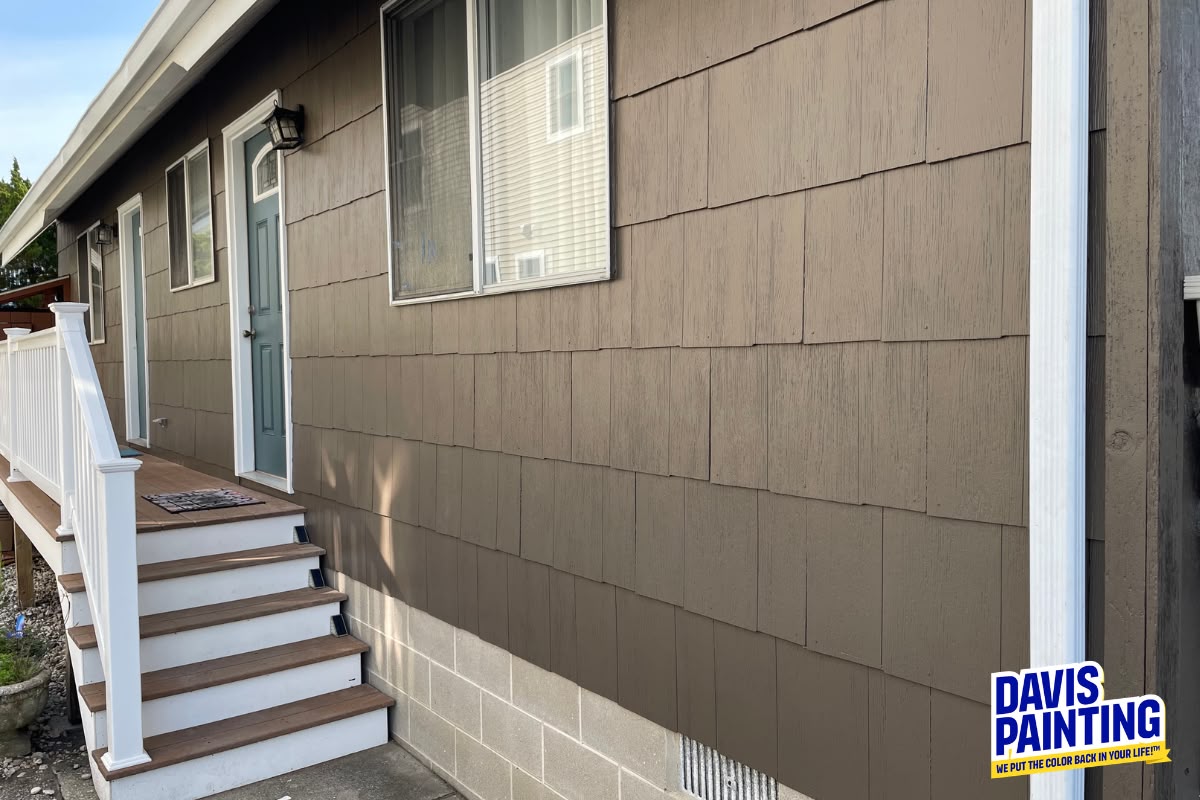
Professional commercial painting protects the building envelope against moisture infiltration, UV degradation, and substrate oxidation that, left unaddressed, require significantly more expensive repairs to masonry, steel, and wood structures within three to five years. For Pennsylvania commercial properties, where freeze-thaw cycles in winter and humidity in summer create continuous stress on exterior surfaces, a professionally applied and properly prepared commercial paint system is the most cost-effective protective treatment available per square foot of building surface.
Most property managers think of the paint on a commercial building as decoration. In structural terms, it is the building’s first line of defence against the climate. When the paint system fails on a Pennsylvania commercial exterior, what follows is a sequence: exposed substrate absorbs moisture, moisture freezes and expands within the substrate material, freeze-thaw cycling works cracks wider with each iteration, and what started as a painting problem becomes a masonry repair problem or a metal panel replacement problem that costs many times what a timely commercial repaint would have cost.
This is not a theoretical risk in Pennsylvania. The climate is genuinely hard on commercial building surfaces. The combination of humid summers that drive moisture into any unsealed gap and winters that freeze that moisture repeatedly through dozens of thermal cycles per season creates conditions where unprotected commercial surfaces deteriorate measurably faster than they would in a milder climate. A commercial building exterior in Chester County or Bucks County that goes seven or eight years between professional repaints is not just looking dated. It is actively losing substrate integrity in the places the eye does not immediately catch.
Does the protection case for commercial painting apply differently to interior versus exterior surfaces?
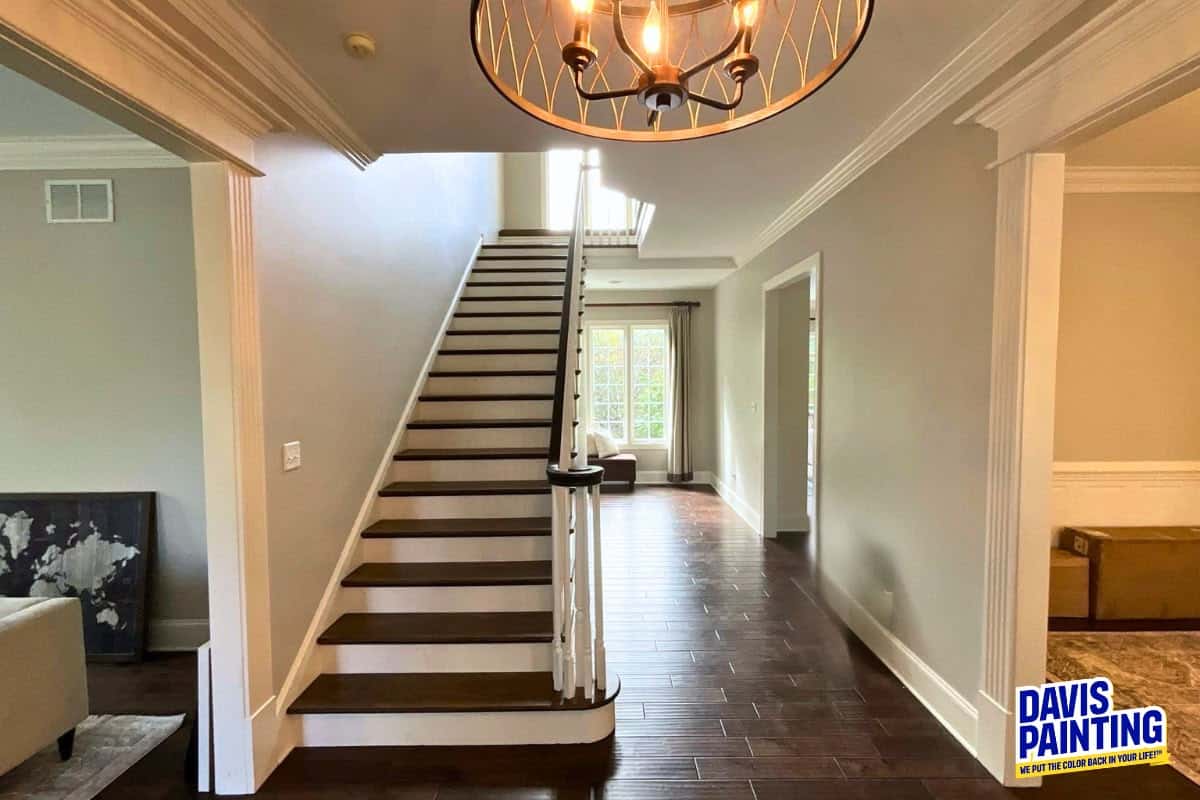
Yes, but both are real. Commercial exterior painting addresses moisture infiltration, UV degradation, and thermal cycling at the building envelope. Commercial interior painting addresses different conditions: high-traffic surface wear in corridors and common areas, the chemical exposure from commercial cleaning products that degrade unprepared or failing interior finishes, and the low-VOC requirements for painting in occupied commercial spaces where tenants or employees are present during and after application. Proper surface preparation is the foundation of the protection function on both sides; paint applied to an unprepared surface protects nothing, regardless of the product’s rated performance.
What are the measurable ways commercial painting increases building value in Pennsylvania and how do property owners quantify the return?
Professional commercial painting service in Pennsylvania delivers measurable return through six primary channels: protecting the building envelope against moisture and substrate damage, extending the maintenance cycle of expensive structural components, increasing tenant satisfaction and retention rates, improving the first-impression metrics that affect lease rates and buyer valuations, demonstrating active property management that reduces liability exposure, and qualifying the building for better classification in property assessments. For Pennsylvania commercial properties in 2026, each of these channels represents a quantifiable financial outcome that exceeds the cost of the commercial painting service itself.
1. Extending the maintenance cycle on expensive building components
Properly sealed and painted exterior surfaces protect the masonry, metal panels, wood trim, and caulking systems underneath from the accelerated deterioration that direct exposure causes. A commercial repaint every five to seven years costs significantly less than the masonry repair, metal panel replacement, or structural wood replacement that results from leaving those surfaces unprotected through multiple Pennsylvania winters. The window surrounds on a Chester County office building are a useful example: repainting them every six years costs a fraction of the cost of repointing or replacing deteriorated masonry once moisture infiltration has been occurring for two or three cycles.
2. Tenant satisfaction and retention
For commercial properties with tenants, the interior condition of the space is a direct factor in lease renewal decisions. Tenants operating in a space that looks well-maintained and professionally finished are measurably more likely to renew than tenants in spaces that look neglected. Vacancy cost for a typical Pennsylvania commercial space runs from one to three months of rent per turnover, plus leasing commissions, fit-out contributions, and the lost rent during the vacancy period. A commercial interior painting refresh costs a fraction of a single vacancy cycle.
3. First-impression metrics and lease rate support
Commercial real estate professionals in Pennsylvania consistently report that building condition, including paint condition on exteriors and common areas, is a primary factor in how quickly spaces lease and at what rate. A freshly painted commercial exterior commands stronger asking rates than an identical building with a visibly aging finish because condition signals management quality and reduces perceived maintenance risk for incoming tenants.
4. HOA and community property values
For HOA-managed commercial or mixed-use communities in Pennsylvania, the condition of common area painting directly affects individual unit values. Proactive commercial painting of common exteriors and shared spaces maintains the community aesthetic that supports property valuations across the development. This is one of the clearest cases where the cost of a commercial painting service is distributed across multiple value beneficiaries.
5. Active management documentation and liability reduction
Documented commercial painting maintenance is evidence of active property management that matters in insurance assessments, property liability evaluations, and due diligence reviews during transactions. A building with a documented maintenance history including professional commercial painting records presents meaningfully less risk in all three of these contexts than an identical building with deferred maintenance.
How does Davis Painting approach commercial painting differently and what does that mean for the building’s return on investment?
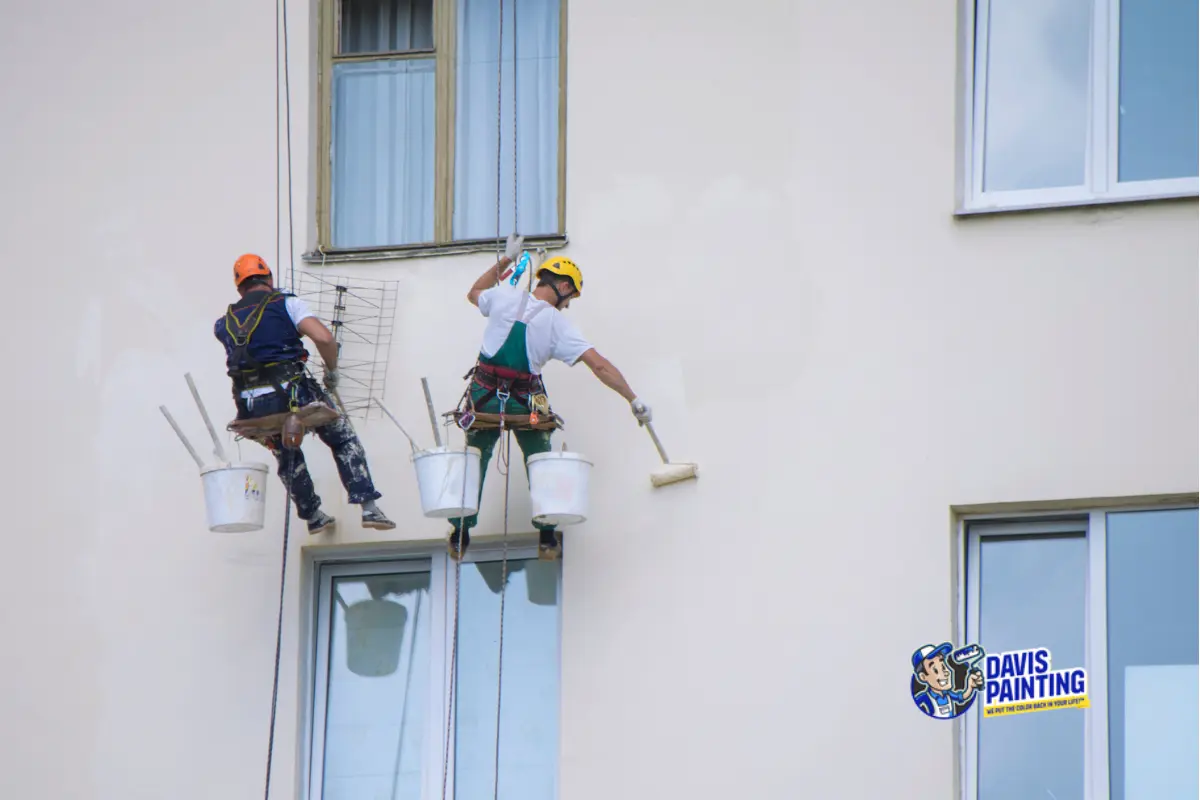
Davis Painting approaches commercial painting in Pennsylvania as a building protection service rather than a cosmetic contract, which means every project begins with a substrate-by-substrate site assessment that determines the correct preparation approach and product selection for the specific building before a scope or price is produced. The commercial painting service Davis Painting delivers includes documented preparation standards by surface type, occupancy-aware scheduling for buildings in active use, and a workmanship warranty that protects the property owner’s investment beyond the application day.
What that looks like in practice: a site assessment where the team walks the property and identifies each substrate type, the current condition of each surface, and the specific preparation requirement before any scope is written. Concrete block gets different treatment than metal panel, which gets different treatment than painted wood trim or commercial-grade drywall. That assessment produces a written scope that tells the property manager exactly what preparation will be applied to each surface before paint touches it. Not a square-footage number. A substrate-specific document.
Scheduling for commercial painting in Pennsylvania also requires coordination that residential work does not. Occupied office spaces need low-VOC products applied within the operational schedule of the building. Hotels and hospitality properties require phased approaches that keep revenue-generating areas operational during the project. Institutional and community buildings have programming schedules that cannot pause for a painting crew. These are not complications. They are standard considerations in Davis Painting’s commercial project planning.
For Pennsylvania commercial property owners who want to understand the company’s philosophy and history before reaching out, the Davis Painting about page covers the background behind how every project is approached. Colour and finish decisions for commercial projects can be worked through in advance using the design tools on the Davis Painting website, which reduces mid-project decisions that add time and cost.
What is the real cost of deferring commercial painting maintenance on a Pennsylvania property?
The compounding nature of commercial surface deterioration is what makes deferral expensive. Failing paint on a commercial exterior does not stay at the level of an aesthetic problem. It becomes a substrate exposure problem within one to two seasons. Substrate exposure becomes a moisture infiltration problem within two to three Pennsylvania winters. Moisture infiltration becomes a structural repair problem within three to five years. At each stage, the cost of addressing the problem is an order of magnitude higher than addressing the stage before it. The commercial painting job that would have cost $25,000 in 2024 becomes the masonry repair job that costs $150,000 in 2028. That is the real cost of deferral.
Davis Painting’s commercial painting assessment process is designed to give property managers the specific information they need to make that case before deferral becomes a structural issue. The scope documents what the preparation requires, the workmanship warranty covers the quality of the application, and the end result is a building that is genuinely protected rather than one that just looks painted.
The investment case for commercial painting in Pennsylvania in 2026 is not complicated. The paint system on a commercial building is what stands between the building’s structural components and the climate. When it fails, everything underneath it is exposed to conditions that Pennsylvania’s weather makes significantly more damaging than most property managers account for in their maintenance planning. Treating commercial painting as a protection investment rather than a decoration expense changes how it fits into the budget and how much it is worth spending to get it right.
Davis Painting offers free commercial painting assessments across Pennsylvania, starting with a substrate-by-substrate look at what the building needs before any scope or price is produced. If you are managing a Pennsylvania commercial property in 2026 and want a written assessment of what professional commercial painting would protect, restore, and deliver for your specific building, reach out at davispainting.com.